

Why Is It Important for Certified Gas Operators to Keep Up with Industry Standards?
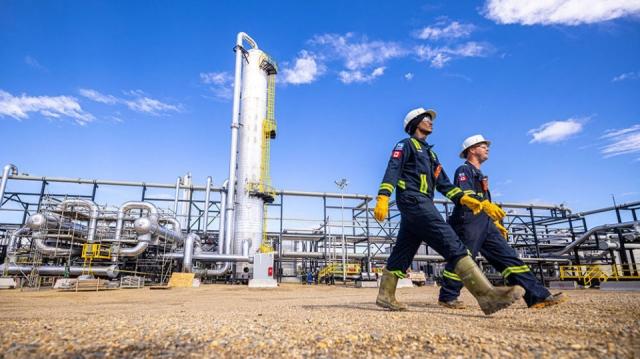
A vital part in guaranteeing the effectiveness and safety of gas systems is played by certified gas operators. Their performance depends on their ability to keep up to date with industry standards given the rapidly changing laws and technology. Gas operators have a lot of duties since what they do affects system dependability and public safety. For example, it is not only necessary but also a required to retain certification in regions like Long Island, NY. Complying with current requirements keeps Task 86/87 gas operator certified in Long Island, NY personnel competent.
Ensuring Regulation Compliance and Safety
A primary motivation for trained gas operators to remain current is to guarantee adherence to constantly evolving safety protocols. Because gas systems are so delicate, even little mistakes may have catastrophic consequences. Guidelines that assist operators in more efficiently managing these systems are included in updated industry standards. Gas operators may prevent infractions that might lead to fines or penalties by adhering to the existing laws. Ensuring compliance guarantees the safety of gas system workers as well as members of the public.
Innovation and Technology in the Gas Sector
The gas industry's technology is always changing, bringing with it new instruments and apparatus that enhance productivity. For certified gas operators to continue being productive in their roles, they must keep up to date on these developments. New technologies are often included into updated industry standards, necessitating operator learning and adaptation. They are able to fulfill employer and customer expectations and maintain their competitiveness as a result. Having a working knowledge of emerging technologies also helps with problem-solving in the field.
Keeping Operational Risks and Failures at Bay
Maintaining a current understanding of industry standards is essential to avoiding risks and operational failures. To reduce hazards, gas operators need to be up to date on the most recent safety measures and operating guidelines. New standards often include the knowledge gained from industry-wide studies and incidents in the past. Operators who keep themselves updated may use these insights to stop similar mistakes from happening in their own job. By taking a proactive stance, the likelihood of accidents is decreased and overall system dependability is increased.
Increasing Effectiveness and Economically
By adhering to the most recent industry standards, qualified gas operators may operate with more efficiency. Standards are made to save waste, enhance workflows, and simplify procedures. Operators may raise the general effectiveness of the gas systems they oversee by adhering to these best practices. Better customer service and cost savings for their companies result from this. Enhancing productivity may also minimize the duration required for upkeep and fixes, which is advantageous for the whole enterprise.
Keeping Up Professional Standing and Possibilities
By adhering to industry norms, gas operators safeguard their professional qualifications and expand their career prospects. A lot of the time, being certified involves continuing education and adhering to the most recent criteria. Staying out of current might lead to certification loss, which would restrict your employment options. Operators must show that they have up-to-date understanding of industry procedures since employers are looking for experts that understand current methods. Additionally, it creates opportunities for leadership and more senior responsibilities in the industry.
Conclusion
It is the duty of certified gas operators to make sure their expertise and abilities meet the most recent requirements set out by the business. Remaining educated serves the interests of both operators and the general public, from upholding safety and compliance to adjusting to new technology. In addition to safeguarding certifications, ongoing education and compliance with revised rules increase operational effectiveness. In the end, keeping current allows gas operators to grow their careers in a field that is changing quickly while still offering the best possible service.