

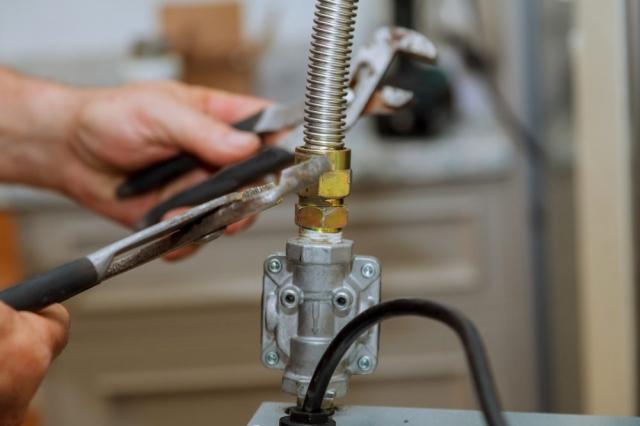
Gas leaks can be dangerous, no matter where they happen. But finding and fixing them looks very different depending on where you are. In busy cities or quiet rural areas, challenges vary widely. How professionals approach leak detection depends on environment, infrastructure, and access. Every landscape changes how gas flows, how it's noticed, and how fast it's handled. This makes us wonder—how do gas leak strategies shift between urban and rural areas?
Urban pipelines beneath our feet
City gas systems are often older and densely packed underground. Leaks can spread fast through narrow alleyways, basements, and tunnels. Technicians rely on digital mapping and pressure monitoring to pinpoint leak origins. Streets are crowded, so getting to the leak takes more planning. Specialized sensors help detect gas without tearing up roads. This high-traffic environment means speed and precision are critical.
When countryside distance slows response
In rural areas, pipelines stretch long distances between homes and farms. Detection relies more on routine inspection than constant sensors. People often notice leaks by smell or dying vegetation near lines. Long travel times delay technicians, which raises safety risks. Helicopters and drones now help cover these wider zones more efficiently. The remoteness of these places challenges emergency response time greatly.
How population affects risk level
Cities have more people close together, so a leak affects more lives quickly. High-rise buildings trap gas, making small leaks much more deadly indoors. Emergency systems like alarms and automatic shutoffs are more common in these spaces. In rural homes, families may use propane tanks, raising a different kind of concern. Detection depends more on awareness than advanced tech in many small towns. Each setting poses different dangers requiring a customized safety approach.
Technology's role in fast alerts
Urban areas benefit from smart sensors connected to control centers. These can detect a drop in pressure instantly and alert teams nearby. Some systems use artificial intelligence to predict and prevent leaks. In contrast, rural regions depend more on manual checks and community reporting. Investment in smart detection is growing, but not all places are ready. Gas leaks located in Port Jefferson Station, NY show how location influences both speed and tools used.
Noise and smell change everything
Cities have loud streets, making it harder to hear a leak or smell gas. That's why urban detection must lean more on machines than human senses. Sirens, honking, and cooking smells can mask warning signs. But rural areas are quieter, and people often notice a problem early. Animals and even changes in plant health help locals spot leaks. Awareness is key in these quieter places, where technology isn't always near.
Conclusion
Gas leak detection is never one-size-fits-all. The urban landscape demands fast technology and tight coordination. In the countryside, it's about reach, awareness, and covering more ground with fewer tools. While city systems focus on real-time data, rural areas rely heavily on visual and sensory clues. Each environment carries risks that shape how teams detect and manage leaks. Knowing these differences helps communities stay safer, wherever they are.