

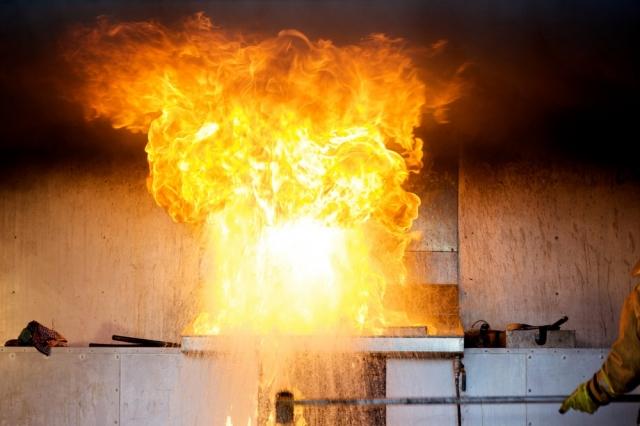
Locating gas leaks is never a job for one person or one team alone. It demands coordinated efforts from multiple departments working together closely. When teams share data, tools, and expertise, they identify leaks faster and with more accuracy. Gas safety involves technicians, engineers, inspectors, and even emergency services working in sync. Without collaboration, delays or errors can put both property and lives at risk. That's why teamwork remains the backbone of any effective gas leak detection strategy.
Field Experts Build the Foundation
The job begins with field experts who physically assess the suspected gas leak location. They use special tools, check pressure levels, and detect irregular odors. But their findings need validation through communication with monitoring teams. Real-time updates from the field help control rooms adjust readings and maps. Without these updates, dispatching becomes inefficient and causes more time loss. Proper communication from experts on-site is the starting point of a strong chain reaction.
Data Analysts Interpret Early Signals
Once data is collected, analysts review pressure drops and unusual flow rates. They look at past reports and compare current readings with historical behavior. Their insights often highlight patterns invisible to field crews. This analysis helps focus inspections on probable leak points. It avoids wasting time in safe areas and keeps operations efficient. These behind-the-scenes team members play a big role in every leak investigation.
Engineers Ensure Accurate Mapping
Engineers work on mapping out pipe systems and identifying weak sections. Their blueprints guide the field crew and keep work organized. Engineers also predict which joints or materials may fail first. Their models use algorithms and simulations based on pipeline age or pressure stress. If engineers miss a point, it can lead to unnecessary excavation or missed leaks. Their technical skill bridges the gap between theory and ground reality.
Supervisors Manage the Whole Flow
Supervisors coordinate timelines, team movements, and emergency protocols if leaks are found. They are the central hub between different departments and ensure goals align. When crews work separately, duplication and errors increase sharply. Supervisors also report progress to utility companies and regulators. Their oversight helps prioritize areas of greater risk or public exposure. Without their coordination, team efforts lose direction and purpose.
Community Teams Assist Local Response
Once leaks are confirmed, teams must alert local authorities and residents quickly. Public safety departments handle evacuations, road closures, and alerts. Coordination with them avoids confusion and speeds up repairs. These teams ensure affected communities are safe and informed at all times. Collaboration with public agencies is especially vital in populated zones. In one case, gas leaks located in Port Jefferson Station, NY required local police and fire services to assist engineers.
Conclusion
The process of finding gas leaks is much more than technical detection. It's about people with different skills working in a single rhythm toward one goal. Field crews, analysts, engineers, and local responders all play unique roles in safety. When one team fails to share, the whole system slows down or breaks. That's why effective communication and collaboration are not just helpful—they're critical. In gas safety, teamwork saves lives and keeps communities protected.