

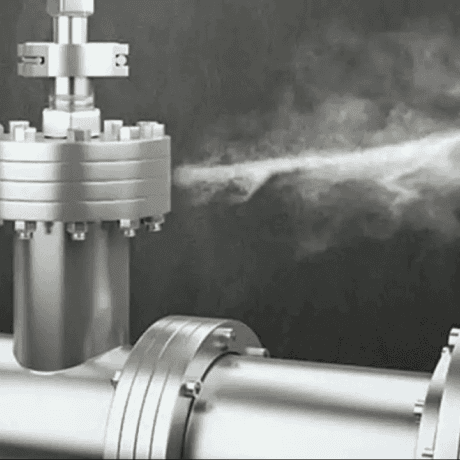
Weather plays a surprising role in finding hidden gas leaks underground. Professionals rely on instruments to detect leaks, but weather can interfere. Wind, rain, and temperature shifts often disrupt the signals used to find leaking gases. On clear days, it's easier to trace a consistent leak pattern on the ground. But during storms or hot afternoons, even experienced technicians may struggle. Understanding how weather changes impact detection is critical to public safety and repair speed.
When Wind Becomes the Enemy
Even a light breeze can scatter leaking gas, making it hard to track its origin. Gas sensors detect the scent of methane or similar compounds that leak into the air. But with wind present, the gas quickly disperses, creating false paths or no path at all. A sudden gust might mislead the sensor, drawing attention far from the actual source. That's why calm conditions offer the best window for detection. On windy days, leak detection becomes more guesswork than science.
Rainwater and Wet Soil Tricks
Rain does more than soak the ground—it also affects how gas escapes from underground lines. Water fills the tiny gaps in soil, stopping gas from rising to the surface as usual. This delays detection and hides the leak until conditions dry out again. Some tools can't even function correctly in soaked conditions due to sensor interference. Wet soil holds gas longer but blocks the smell from reaching above ground. That makes rainy weeks a frustrating time for leak investigators.
Cold Air and Hidden Threats
Freezing temperatures can seal the ground, trapping gas until a thaw releases it suddenly. Cold weather slows the natural movement of gas through soil layers, masking its presence. Technicians might visit a site several times before conditions allow them to detect anything. Instruments can also freeze or underperform when it's extremely cold, adding to the problem. Leaks don't stop in winter, but the ability to find them often does. Some communities, like those with gas leaks located in Port Jefferson Station, NY, face extra delays during winter months.
Heatwaves Shift the Game
High temperatures expand underground pipes and loosen seals, often increasing the chance of gas leakage. At the same time, rising heat affects sensor sensitivity, causing fluctuations in readings. On hot days, vapors may rise faster but also scatter quickly, reducing detection accuracy. Dry and cracked soil also creates new leak paths, making mapping more complex. Technicians must adjust how deep they search or when to run tests. In heatwaves, timing is everything—detect too late, and the leak could escalate.
Fog and Air Pressure Confusion
Heavy fog might look harmless, but it creates detection issues due to changes in air pressure. Fog slows down the movement of gas by trapping it closer to the surface. But it also interferes with infrared or laser-based tools used in open environments. Lower visibility adds another layer of difficulty, requiring more time and manpower. Sudden shifts in barometric pressure may even cause leaks to momentarily stop or reverse. These unpredictable changes keep leak detection teams alert and constantly adjusting.
Conclusion
Detecting gas leaks is never a perfect science—weather always adds new layers of complexity. From wind dispersing vapors to fog blocking sensors, the environment shapes every search. Skilled technicians know how to adapt their tools and strategies for each condition they face. Weather doesn't just delay detection—it can also endanger communities when leaks go unnoticed. That's why fast response, experience, and timing matter so much in the world of leak location. Every condition brings its own puzzle, and safety depends on solving it fast.