

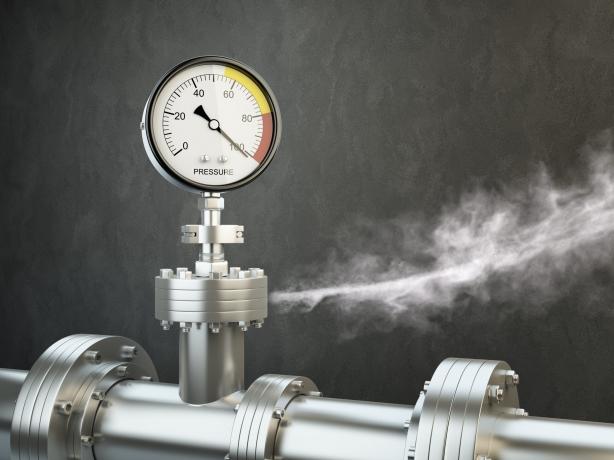
Gas leaks can cause serious safety risks and service disruptions. Repairing them quickly is essential for public safety. Traditional repair methods often rely heavily on manual inspection and response. These can be slow and inefficient, especially during peak periods. With automation, there's a powerful shift in how issues are located and handled. But how exactly is automation transforming gas leak repairs?
Smarter Detection with Sensors
Automated sensors now play a big role in detecting gas leaks early. These sensors can identify pressure drops and gas concentrations instantly. They continuously monitor pipeline conditions without the need for manual checks. This reduces delays and speeds up initial response actions. With better detection, repairs can begin before situations worsen. It's the first step in an automated, responsive repair system.
Drones and Robotic Assistance
Drones and robots are increasingly used for inspecting gas lines. These tools can enter areas too dangerous for humans. They provide real-time footage and data without interrupting service. This minimizes risk to workers and improves inspection accuracy. For example, robotic crawlers detect internal pipeline damage that humans can't see. This boosts repair speed and precision across urban and rural zones.
Data-Driven Maintenance Schedules
Predictive maintenance uses data and machine learning to plan repairs. It forecasts where leaks are likely to happen based on past incidents. This allows teams to intervene before a leak even occurs. It also reduces unnecessary site visits and emergency repairs. Automated maintenance planning improves overall operational efficiency. It also means fewer disruptions for the communities being served.
Speeding Up Emergency Responses
Automation helps dispatch teams faster during critical situations. Once a leak is detected, automated systems alert crews instantly. They also suggest optimal routes to reach the site quickly. Some systems even pre-load repair instructions for technicians. This shortens the time between detection and repair. Gas leaks repaired in Long Island, NY have seen faster resolution using this approach.
Real-Time Collaboration Platforms
Modern automation includes cloud-based platforms for repair teams. These systems update all team members with real-time field data. Technicians can access maps, diagnostics, and safety updates from tablets. This ensures every worker is aligned with current site conditions. It eliminates miscommunication and avoids repeat visits. Such collaboration tools significantly improve workflow and team performance.
Conclusion
Automation is changing how gas leak repairs are handled across the board. From early detection to coordinated team responses, it streamlines the entire process. Advanced tools reduce human error and speed up recovery times. With smarter data use and predictive capabilities, long-term efficiency improves. As technology grows, automation will likely become standard in all repair workflows. This shift is essential for improving both public safety and utility service standards.